Last updated: 17/04/2026
Meth contamination in rental properties has long been one of the most misunderstood and stressful issues for landlords.
With new regulations now in force from 16 April 2026, there is finally clear guidance on how contamination should be assessed and managed.
For landlords, this means clearer rules, defined thresholds, and a more practical approach to managing risk.
Why have the regulations changed?
Before these regulations were introduced, the industry relied on the NZS 8510 standard (1.5 µg), and there were no legally defined thresholds.
In 2018, the Office of the Prime Minister’s Chief Science Advisor released a report on Methamphetamine Contamination in Residential Properties, often referred to as the Gluckman Report. It found that the previous standard was overly cautious and that low-level residue posed no proven health risk in most cases.
As a result, the Government introduced a new regulatory framework in October 2025 to standardise how meth contamination is managed in rental properties. These regulations are now in effect.
What this means for landlords
The new regulations provide much-needed clarity and a more balanced approach.
In simple terms:
- Low-level contamination no longer requires unnecessary remediation
- There are now clear thresholds to guide decisions
- Landlords have a defined process to follow if contamination is identified
This reduces the risk of overreacting to minor contamination, while still ensuring serious cases are managed appropriately.
The new thresholds
The maximum acceptable level of methamphetamine in a property is 15 µg/100cm². Levels at or below this are considered acceptable and do not require decontamination.
15.01 — 30 µg/100cm²: Contaminated but habitable
A property is considered contaminated if any area exceeds 15µg/100cm². Only the affected areas need to be decontaminated back to 15µg or less, and the home can usually still be lived in.
More than 30 µg/100cm²: Uninhabitable
If meth levels exceed 30 µg/100cm², the property is considered unsafe to live in and the tenancy can usually be ended quickly under section 59B of the Residential Tenancies Act. If the tenant is not responsible, rent will usually stop (rent abatement), but if they caused the contamination, they may remain liable for rent and the landlord can seek decontamination costs and losses through the Tenancy Tribunal.
When landlords are required to undertake testing
Landlords must arrange detailed testing as soon as practicable when required, including when:
- Police or a local authority notify them that meth has, or is likely to have, been manufactured at the property
- The results of a valid screening test indicate contamination above 15 µg/100cm².
Testing requirements
Screening tests can indicate potential contamination, but detailed testing is required to confirm contamination levels under the regulations.
Detailed testing must be carried out using a professional and prescribed method based on the NZS 8510:2017 standard. This means:
- Testing must be completed by qualified specialists
- The process must follow a consistent and recognised method
- The person carrying out testing must be independent from the person completing any decontamination
This ensures results are accurate, reliable, and unbiased.
What happens if contamination is identified?
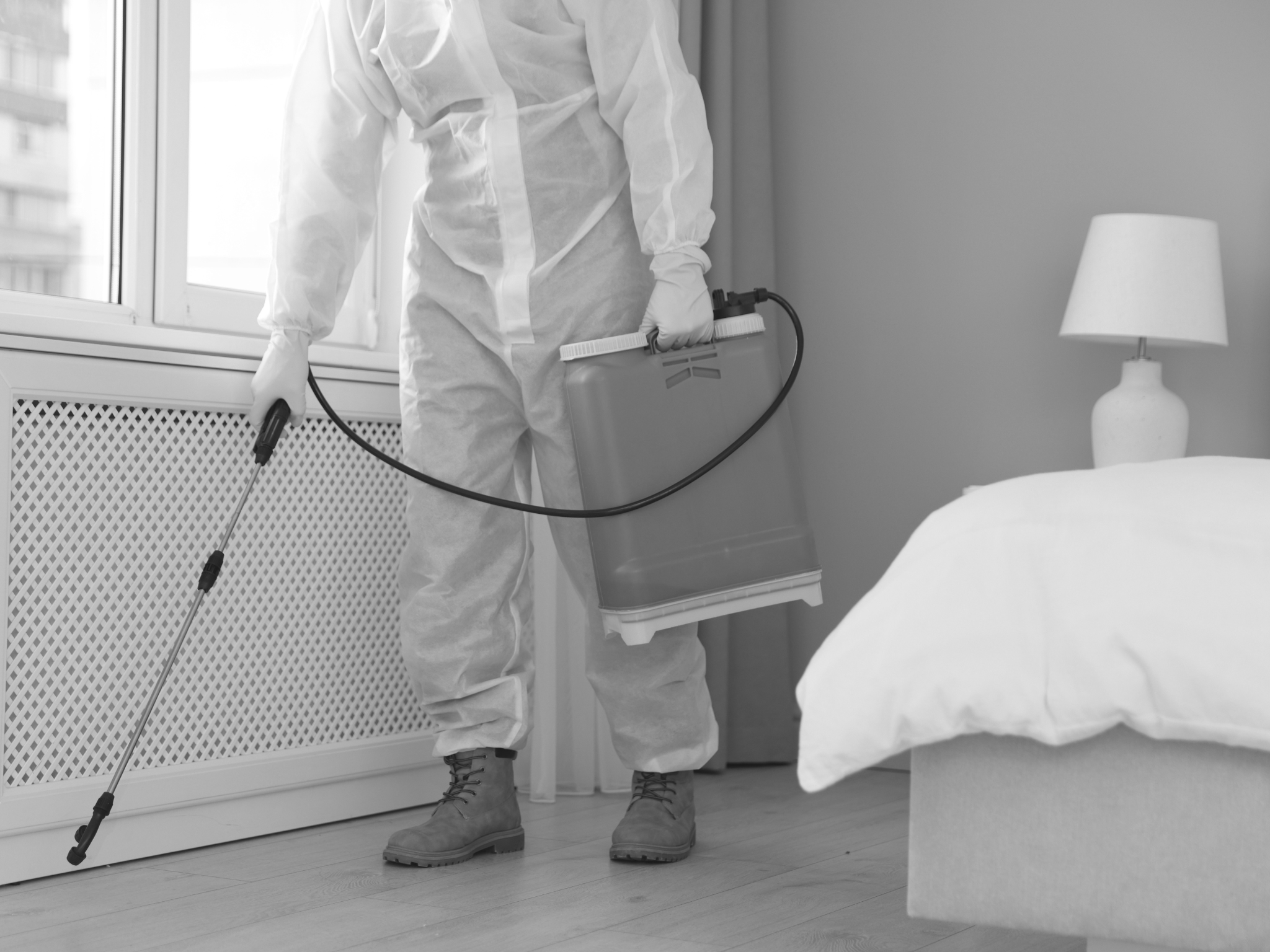
If meth levels exceed 15 µg/100cm², the affected areas must be decontaminated following a structured process based on the NZS 8510:2017 standard to bring meth levels back to 15 µg/100cm² or less.
This may involve:
- Cleaning affected surfaces
- Treating or replacing materials such as carpets or curtains
- Re-testing the property to confirm levels are below the acceptable threshold
Decontamination is only complete once testing confirms levels are at or below 15 µg/100cm².
If levels exceed 30 µg/100cm², the property should not be occupied or re-let until it is confirmed safe.
What about insurance?
One area landlords should be aware of is how these new thresholds interact with insurance policies. Some policies may still reference older contamination standards, which can create a gap between what is legally required and what is covered.
For example, contamination below the new legal threshold may not require remediation, but may also not trigger an insurance claim.
It is worth reviewing your policy to understand how it applies under the new regulations.
Dealing with abandoned goods
If a tenant leaves belongings behind in a contaminated property, landlords must still follow the usual abandoned goods process. However, landlords can include the reasonable costs of:
- testing
- decontaminating
- re-testing items
If goods cannot reasonably be cleaned or made safe, they can be disposed of (excluding personal documents), and costs may be recoverable.
How we can help
Navigating these regulations can be complex, particularly when it comes to testing, compliance, and managing risk.
At South Property Management, we stay across the latest requirements and work with trusted, independent professionals to ensure any issues are handled correctly and efficiently. If you have questions about how these changes may affect your property, or would like support managing your rental, contact our team for chat.
You can also visit the Tenancy Services website for guidance and official resources on how meth contamination must be managed under the new regulations.